

Marijuana Blog
Can You Bring Edibles on a Domestic Flight in Canada?
Sep
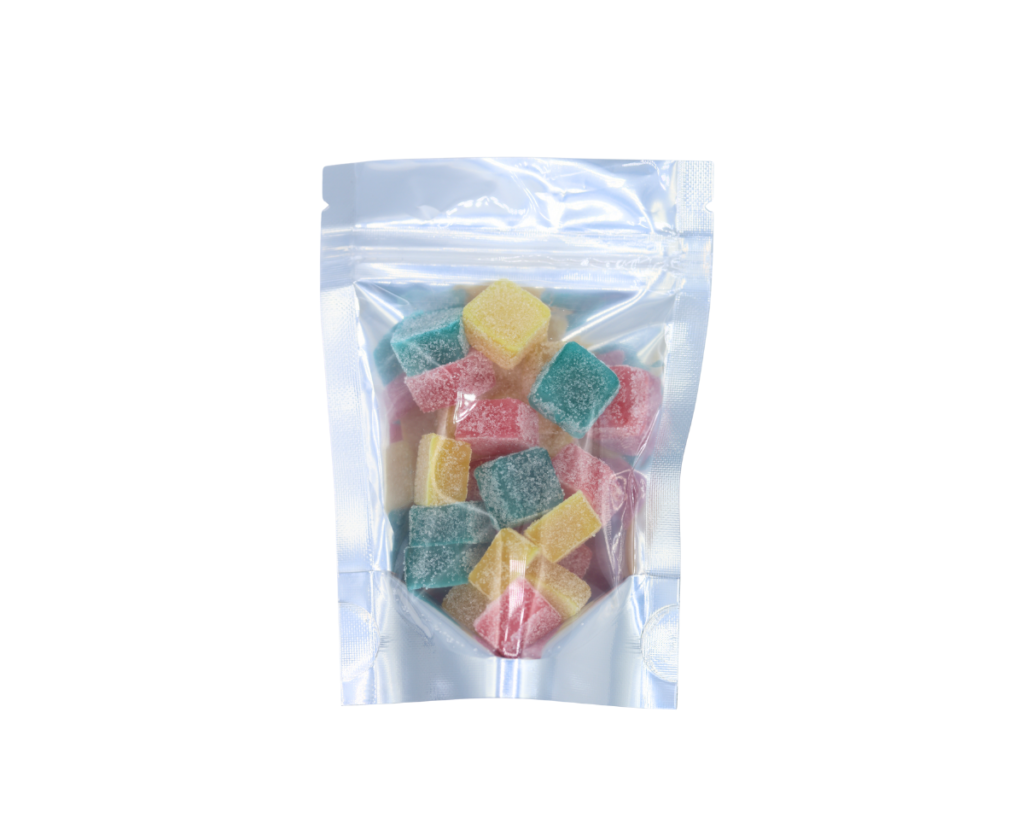
Yes. You can bring edibles on a domestic flight in Canada, in your carry-on or your checked bag, as long as you are of legal age and stay within the 30 gram public possession limit. For edibles, that limit works out to 450 grams of solid product. The rules change completely the moment a flight leaves the country, and there are a few details about liquids, vapes and airline policies worth knowing before you pack.
This guide covers what the federal rules actually say, how to work out whether your gummies or chocolate are under the limit, and what to expect at the security checkpoint.
Key Takeaways
- Cannabis is allowed in both carry-on and checked baggage on flights within Canada, according to CATSA’s official guidance.
- The public possession limit is 30 grams of dried cannabis or its equivalent. For solid edibles up to 3% THC, that equals 450 grams of product.
- The limit counts the weight of the product, not the milligrams of THC on the label.
- Tinctures, drinks and other liquids fall under the normal carry-on liquids rules.
- Taking cannabis on any flight that leaves Canada is illegal, including edibles and CBD products.
- Smoking and vaping on board are not allowed, and the legal age where you land may be different from where you took off.
Can You Bring Edibles on a Domestic Flight in Canada?
You can. CATSA, the agency that runs airport security screening in Canada, lists cannabis as permitted in both carry-on and checked baggage on domestic flights. Edibles are cannabis products, so the same rule applies to gummies, chocolates, baked goods and capsules.
Two conditions sit behind that yes. First, you have to be of legal age in the province or territory you are travelling from and to. Second, the total amount you carry has to stay within the federal public possession limit. Stay inside both and a flight from Vancouver to Toronto with a bag of gummies is no different, legally, than carrying that same bag down the street.
The one thing CATSA is clear about is the border. Its guidance states plainly that flying outside of Canada with cannabis is illegal. That applies whether you are leaving or returning, and it applies to CBD products as well.
How Much Cannabis Can You Fly With in Canada?
Adults can carry up to 30 grams of dried cannabis, or the equivalent amount of other product types, in public. An airport and an aircraft cabin count as public. Health Canada publishes the conversion rates in its online possession calculator, and here is what each one works out to at the full 30 gram limit.
| Product type | Equal to 1 g dried | Maximum you can carry |
|---|---|---|
| Dried cannabis (flower) | 1 g | 30 g |
| Fresh cannabis | 5 g | 150 g |
| Solid edibles up to 3% THC (gummies, chocolate, baked goods) | 15 g | 450 g |
| Non-solid products up to 3% THC, not beverages (for example topical lotions) | 70 g | 2,100 g |
| Cannabis beverages up to 3% THC | 570 g | 17,100 g |
| Concentrates over 3% THC (vape oil, hash) | 0.25 g | 7.5 g |
| Seeds | 1 seed | 30 seeds |
The maximums in the last column assume you are carrying only that one product type. If you carry a mix, the amounts add up against the same 30 gram total.
How Do Edibles Count Toward the 30 Gram Limit?
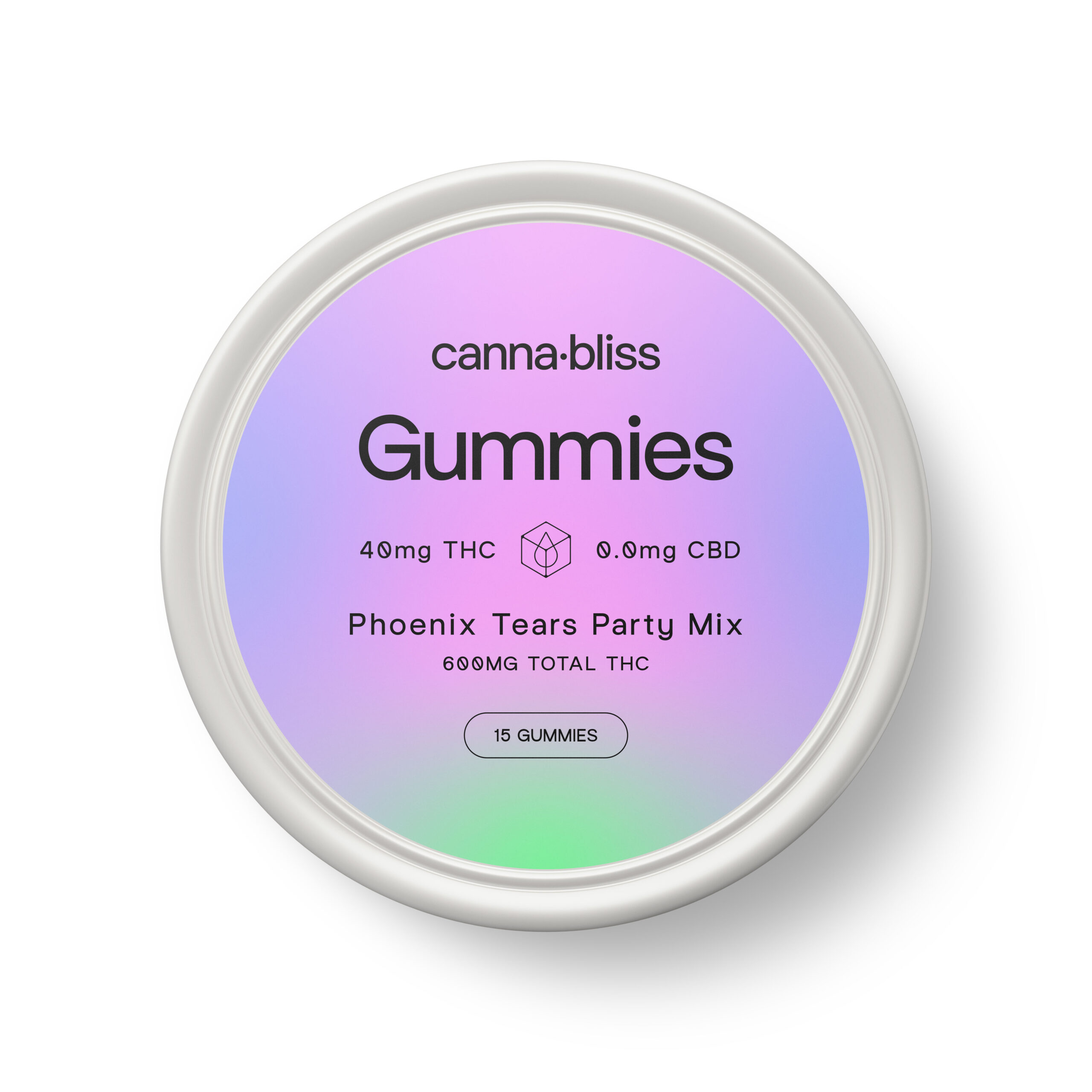
This is where most people get confused. The possession limit for edibles is measured by the weight of the product, not by how much THC it contains. A 600 mg tin and a 100 mg tin can count very differently depending on how much the gummies inside actually weigh.
Here is a simple way to work it out:
- Find the net weight. Check the package for the product weight in grams. If it is not listed, weigh the product without the container.
- Check it is a solid under 3% THC. The 15 to 1 ratio applies to solid edibles with up to 3% THC by weight. Most gummies and chocolate bars fall well under that.
- Add everything up. Divide the total edible weight by 15 to get the dried cannabis equivalent, then add any flower or vapes you are also carrying.
As an example, 20 gummies weighing about 4 grams each come to roughly 80 grams of product. That is about 5.3 grams of dried equivalent, far below the limit. A typical 40 gram chocolate bar works out to under 3 grams equivalent. For most people packing gummies or a couple of chocolate bars for a trip, the 450 gram ceiling is not the issue.
Very high potency products are the exception. If a solid edible is stronger than 3% THC by weight, do not assume the 15 to 1 ratio applies. Run it through Health Canada’s calculator before you fly.
Should Edibles Go in Your Carry-On or Checked Bag?
Either is allowed on a domestic flight. There are practical reasons to prefer your carry-on for solid edibles:
- Heat. Cargo holds and parked cars can get warm, and gummies and chocolate melt or stick together.
- Lost bags. If your checked bag goes missing, so does anything in it.
- Control. You know where your product is the whole time.
Keep edibles in their original, sealed, labelled packaging where possible. It shows what the product is and how much THC it contains, and it keeps the smell contained. If you are carrying something homemade, like brownies baked with homemade cannabutter, pack it in a sealed container and keep a rough idea of the total weight.
What About Tinctures, Drinks and Vapes?
Solid edibles are simple. Other formats come with extra rules.
Tinctures and oils. CATSA treats liquid and topical cannabis like any other liquid, aerosol or gel in your carry-on. That means each container must be 100 ml or less and has to go in your single one litre clear, resealable bag with your other liquids. Most cannabis tinctures come in 30 ml bottles, which fit easily. Bigger bottles belong in your checked bag.
Cannabis beverages. The same liquids rule applies to drinks in your carry-on, so full size cans will generally need to go in checked baggage.
Vapes. A vape pen or cartridge counts as a concentrate, so it uses the much tighter 0.25 gram ratio. A single 1 gram cartridge equals 4 grams of dried cannabis. CATSA’s guidance on e-cigarettes and vaping devices allows them in carry-on, and tells travellers to check with their airline before putting them in a checked bag. Because vapes contain lithium batteries, carry-on is the safer default.
Can You Eat Edibles Before or During a Flight?
Smoking and vaping are banned on Canadian flights, full stop. Eating an edible on board is a greyer area, but it is still not a good idea. Airlines can refuse to carry passengers who appear to be under the influence of drugs or alcohol, and a gate agent will not care whether the cause was legal.
Timing matters too. Edibles take much longer to kick in than smoking, often 30 minutes to two hours, and the effects can last several hours after that. Our guide to the onset time of cannabis edibles explains why. Taking one in the departure lounge means it could peak in the middle of the flight, when you cannot get off the plane. If you plan to use edibles on your trip, wait until you have landed and settled in.
What Happens at Airport Security if You Have Edibles?
CATSA screening officers are looking for threats to aviation security, like weapons and prohibited items. Their job is not to hunt for cannabis on domestic flights. If an officer finds edibles in your bag and you are within the legal limit, it is generally not a concern for a domestic trip.
If an officer does find cannabis that appears to be over the limit, or you are on an international flight, they can refer it to the police. That is the real risk, and it is the reason to know your totals before you go. Keep everything in one place in your bag so it is easy to show if you are asked.
What if Your Flight Is Diverted or Connects Through the US?
This catches people out. A flight between two Canadian cities can still end up in the United States if the weather turns or there is a mechanical issue. Air Canada warns passengers that domestic flights can divert to US airports where arriving with cannabis is not legal, and that the traveller carries the consequences.
Check your routing, too. A cheap fare between two Canadian cities that connects through a US hub is an international trip. Cannabis cannot come with you on that itinerary, in any form.
Do Provincial Rules Change Anything When You Land?
Federal law sets the 30 gram possession limit, but the provinces and territories set the legal age and the rules on where you can consume. The minimum age is 19 in most of Canada, 18 in Alberta and 21 in Quebec. That means a 20 year old can legally carry edibles leaving Toronto and not be of legal age on arrival in Montreal.
Consumption rules vary as well. Some provinces restrict public use much more than others. Look up the rules for your destination before you land, especially if you are travelling for work or staying somewhere with its own policies.
Is It Easier to Ship Edibles to Your Destination?
Often, yes. If you are heading somewhere for more than a few days, having your order delivered to where you are staying removes the packing question entirely. We ship across Canada from Vancouver by Canada Post Express, in discreet, vacuum sealed packaging, with orders usually sent within 24 hours. Whether you are flying into Toronto, Calgary or anywhere else in the country, you can browse our full range of THC and CBD edibles and time delivery for when you arrive.
Frequently Asked Questions
Can you bring edibles on a plane in Canada?
Yes. On domestic flights within Canada, edibles are allowed in both carry-on and checked baggage as long as you are of legal age and stay within the 30 gram dried cannabis equivalent, which is 450 grams of solid edibles up to 3% THC.
How many edibles can you fly with in Canada?
You can carry up to 450 grams of solid edibles with up to 3% THC. The limit is based on the weight of the product, not the milligrams of THC, and it is shared with any other cannabis you are carrying.
Do edibles have to go in checked baggage?
No. Solid edibles like gummies and chocolate can go in your carry-on or checked bag on domestic flights. Liquid products such as tinctures and beverages follow the carry-on liquids rules, so containers over 100 ml need to go in checked baggage.
Can you bring edibles on an international flight from Canada?
No. Taking cannabis across the Canadian border is illegal, whether you are leaving or entering the country. That includes edibles and CBD products, and it includes domestic itineraries that connect through the United States.
Will airport security in Canada take my edibles?
CATSA screening focuses on aviation security threats, not cannabis on domestic flights. If you are of legal age and within the possession limit, edibles are permitted. Amounts that appear to be over the limit, or cannabis on an international flight, can be referred to the police.
Can you take a vape pen on a plane in Canada?
Yes, in your carry-on. CATSA allows vaping devices in carry-on baggage and advises checking with your airline before packing them in a checked bag. Using a vape on board is not allowed, and a 1 gram cartridge counts as 4 grams of dried cannabis toward your limit.
Is it legal to eat an edible on a plane?
Smoking and vaping are banned on flights, and airlines can refuse to carry passengers who appear to be impaired. Edibles can also take up to two hours to take effect, so the safest approach is to wait until you have landed.
The Short Version
Flying with edibles inside Canada is allowed. Keep it under 450 grams of solid product, keep it in labelled packaging, put liquids in your clear bag, and never take it on a flight that leaves the country. If you would rather not pack anything at all, order ahead and have it waiting when you land.