

CBD
Distillate vs. Isolate: Understanding Pure Cannabinoids
Jul
In the evolving landscape of 2026, cannabis consumers are no longer just looking for flower or vapes. The market has matured into a space where molecular purity and targeted effects are the new standard. As you navigate cannabis concentrates, you will frequently encounter two terms that represent the pinnacle of cannabis refinement: distillate and isolate.
While both products represent highly purified forms of cannabinoids, they are not interchangeable. They differ in their chemical composition, their physical form, and-most importantly-the way they perform during consumption. Whether you are looking for a potent, multi-cannabinoid experience or a hyper-precise dose of a single molecule, understanding these nuances is key to a successful session.
Key Takeaways
- The Purity Gap: Isolate is the single-molecule standard, typically reaching 99%+ purity in a crystalline powder form. Distillate is a potent oil, usually ranging from 85% to 95% purity.
- The Entourage Factor: Distillates often retain minor cannabinoids (like CBG or CBN), allowing for a subtle entourage effect. Isolates provide a focused, predictable effect from a single cannabinoid.
- Versatility in Use: Distillate is the liquid gold of the industry, ideal for vape cartridges and edibles. Isolate is a dry powder, making it perfect for precise dosing or adding to topicals.
- Flavour Profiles: Most distillates and isolates are odourless and tasteless because the terpenes have been removed, making them the ultimate blank canvas for DIY infusions.
What Is Cannabis Distillate and How Is It Produced?
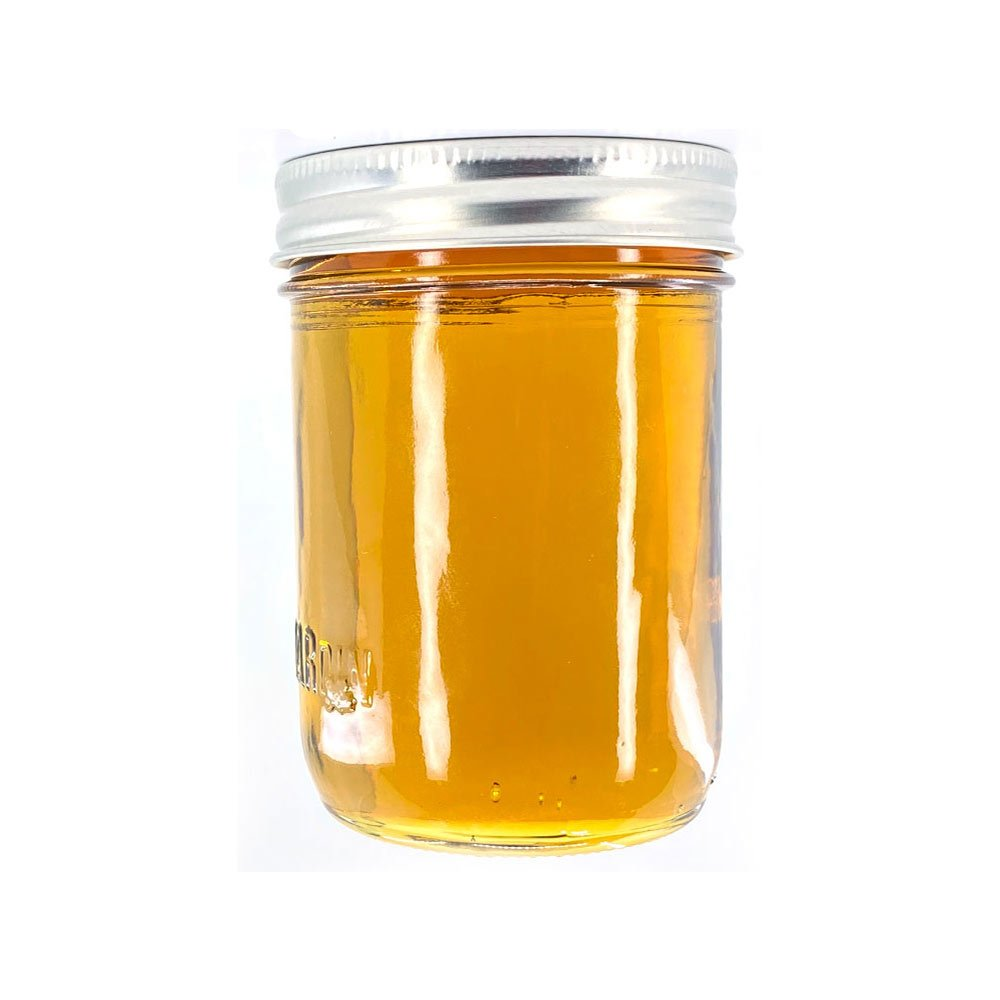
Cannabis distillate is a highly refined extract that has been stripped of almost all plant matter, including waxes, lipids, and chlorophyll. The result is a viscous, translucent oil that can range from a pale straw yellow to a deep amber hue. In 2026, distillate is the primary ingredient found in the majority of high-quality vape cartridges and professionally manufactured edibles in Canada.
The production of distillate relies on a sophisticated technique called fractional distillation. This process utilizes the specific boiling points of different cannabinoids to separate them from the crude oil. By carefully controlling heat and vacuum pressure, extractors can capture the THC or CBD as a vapour and then condense it back into a pure liquid.
This method is so precise that it can isolate specific fractions of the oil, leaving behind the heavier molecules and impurities. Because the heat used in distillation decarboxylates the oil, the cannabinoids in distillate are already activated. This means you can consume distillate orally (such as in a tincture or on a cracker) and feel the effects without needing to apply further heat.
Understanding Cannabis Isolate: The Crystalline Standard
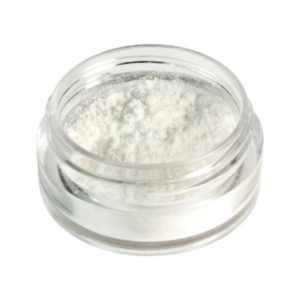
Cannabis isolate is the most purified form of a cannabinoid currently available on the market. While distillate is a thick oil, isolate usually takes the form of a white, crystalline powder that looks much like powdered sugar. It is the result of taking distillate a few steps further through advanced chemical processes like chromatography and solvent recrystallization.
To create an isolate, the refined oil undergoes a process where the target cannabinoid (usually CBD or THC) is encouraged to crash out and form crystals. These crystals are then washed and purged of any remaining solvents or secondary cannabinoids.
The end result is a product that is effectively 99.9% pure. Because it contains no other cannabinoids, terpenes, or flavonoids, it is a popular choice for users who prefer a single-cannabinoid experience or those who need to avoid even trace amounts of THC for professional or personal reasons.
Side-by-Side: Distillate vs. Isolate Comparison
Choosing between these two formats depends on your specific goals for potency and consumption.
| Feature | Cannabis Distillate | Cannabis Isolate |
| Physical Form | Viscous, honey-like oil | Fine, crystalline powder |
| Purity Level | 85% – 95% | 99% – 99.9% |
| Chemical Profile | Major cannabinoid + minor traces | Single molecule only |
| Entourage Effect | Slight to Moderate | None |
| Common Uses | Vape pens, gummies, twaxing joints | Tinctures, topicals, precise capsules |
| Activation | Decarboxylated (Ready to eat) | Usually activated / decarboxylated |
The Entourage Effect: Why Complexity Matters
One of the most significant differences between distillate and isolate is the presence (or absence) of the entourage effect. This theory suggests that cannabinoids may perform differently when consumed alongside other plant compounds, such as minor cannabinoids and terpenes.
While distillates are heavily refined, they are rarely single-molecule pure. They often contain trace amounts of CBG, CBN, or CBC, which can modify the way THC or CBD interacts with your endocannabinoid system. For many users at Canada Bliss Herbals, this nuanced profile provides a more layered and well-rounded experience.
Isolates, by definition, cannot provide the entourage effect. If you take a CBD isolate, you are getting the effects of that specific molecule alone, without the interplay of other plant compounds. However, this lack of complexity is exactly why isolates are prized for consistency.
When you take 25mg of isolate, you know exactly how it will feel every single time, without the variables of other plant compounds.
Choosing the Right Format: Precision vs. Potency
Your choice between distillate and isolate often comes down to whether you prioritize precision or a multi-layered experience. Isolates are the gold standard for exact dosing.
Because it is a powder, you can weigh it on a milligram scale and know precisely how much CBD or THC you are adding to your tea or capsule. This level of control is valued by users who prefer a consistent, repeatable experience every time.
Distillates are often favoured by users who want high-potency versatility. Because distillate is an oil, it is much easier to dab or vaporize. The high THC concentrations in Delta-9 distillates provide a powerful, immediate effect that many experienced consumers prefer.
Additionally, the versatility of distillate allows it to be used in twaxing-the practice of spreading a thin layer of oil on a joint or bowl to drastically increase its potency.
Versatility in the Kitchen: Infusing Edibles with Pure Cannabinoids
Both distillate and isolate have revolutionized the world of cannabis cooking. In the past, making edibles required cannabutter, which often had a strong, grassy taste that many found unappealing. In 2026, both distillates and isolates are prized because they are virtually flavourless and odourless. This allows the chef to infuse everything from fine chocolates to savoury sauces without altering the flavour profile of the dish.
Distillate is generally easier to incorporate into oil-based recipes. Since it is already an oil, it binds quickly with butter, coconut oil, or MCT oil. Isolate, being a powder, is excellent for dry mixes or for creating high-potency tinctures where you want zero oiliness.
Regardless of which you choose, the fact that they are already decarboxylated (activated) means you do not have to worry about the low-and-slow heating process required with raw flower. You can simply stir them into your recipe and serve.
Safety, Legality, and Drug Testing Considerations
For many Canadians, the choice between distillate and isolate comes down to workplace safety and personal requirements. If you are subject to random drug testing, CBD isolate is often the preferred choice.
While broad-spectrum distillates claim to be THC-free, they can sometimes contain trace amounts that accumulate in the body over time. A 99% pure CBD isolate provides a single-cannabinoid experience with a near-zero risk of a positive THC test result.
In terms of safety, the high potency of these products means that over-consumption is a common mistake. A single drop of distillate can contain 25mg–50mg of THC, which is five times the standard starter dose for edibles.
At Canada Bliss Herbals, we always recommend using the graduated markings on our distillate syringes to ensure you are dosing correctly. Starting with a grain-of-rice-sized amount is the golden rule for any high-purity concentrate.
Why Shop for Pure Cannabinoids at Canada Bliss Herbals?
The purity of a distillate or isolate is only as good as the lab that produced it. At Canada Bliss Herbals, we prioritize transparency and lab-tested quality. Our distillates are produced using state-of-the-art fractional distillation, and our isolates undergo rigorous third-party testing to ensure they are free of residual solvents, heavy metals, and pesticides.
We offer a variety of formats, from Delta-9 THC distillate syringes for high-potency dabbing to pure CBD isolate for single-cannabinoid use. Shopping with us means you are getting a product that has been handled with care and stored in a temperature-controlled environment to prevent degradation.
Plus, with our rewards program, your journey into the world of pure cannabinoids helps you save on future purchases. Browse our full range of concentrates, therapeutics, and cannabis flower to find the right products for your preferences.
Distillate or Isolate: Choosing the Right Pure Cannabinoid for Your Needs
The choice between distillate and isolate is not about which is better-it is about which tool is right for the task at hand. If you want a potent, versatile oil that can be vaped, eaten, or dabbed, and you enjoy the subtle nuances of a multi-cannabinoid profile, distillate is your best bet.
If you require absolute purity, a flavourless powder for precise dosing, or a single-cannabinoid experience, isolate is the undisputed winner.
Frequently Asked Questions (FAQ)
Q: Can I vape CBD isolate powder?
A: Yes, but not directly. You can dissolve CBD isolate into a PG/VG vape juice base or sprinkle it onto flower in a dry herb vaporizer. However, for a pure dabbing experience, a CBD distillate or terpsolate (isolate with added terpenes) is often more flavourful and easier to handle.
Q: Does distillate ever expire?
A: Distillates and isolates are incredibly shelf-stable, but they can degrade over 12–24 months if exposed to light, heat, or oxygen. Distillate may darken (oxidize) at the top of the syringe, which is normal and does not usually affect potency. Store your products in a cool, dark place for maximum longevity.
Q: Why is my isolate clumping together?
A: Isolate is hygroscopic, meaning it can absorb small amounts of moisture from the air. If it clumps, simply use a small tool to break it back into a powder. This does not affect the quality or potency of the cannabinoid.
Q: Can I use THC distillate in a topical?
A: Yes. You can mix THC distillate with a carrier oil (like coconut oil or shea butter) to create a topical product. Topicals are applied to the skin and are a popular choice among users who prefer localized application without the psychoactive effects typically associated with other consumption methods.
Q: What is the difference between broad-spectrum distillate and full-spectrum distillate?
A: Full-spectrum distillate retains the natural range of cannabinoids found in the plant, including trace amounts of THC. Broad-spectrum distillate has undergone additional processing to remove THC while keeping other cannabinoids intact. Users who want to avoid THC entirely often prefer broad-spectrum or isolate products.