

Marijuana Blog
Live Resin: What It Is and How It Compares to Live Rosin
Oct
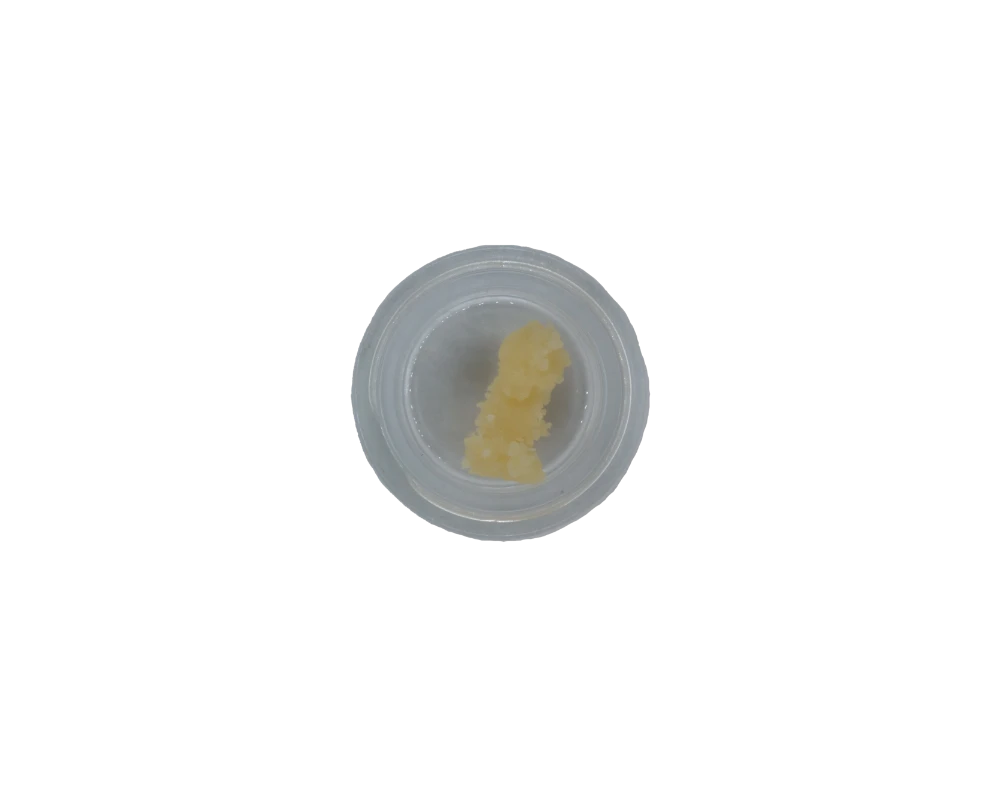
Live resin is a cannabis concentrate made from plants that were frozen right after harvest instead of dried and cured. Freezing locks in the terpenes that normally evaporate during drying, which is why live resin tastes and smells closer to the living plant than any other extract on the shelf.
This guide covers how live resin is made, how it differs from live rosin and from cured concentrates like shatter, how strong it is, and how to use and store it.
Key Takeaways
- Live resin starts with fresh frozen cannabis, not dried and cured flower. That one difference is where the flavour comes from.
- Live resin is solvent extracted. Live rosin is solventless, made with heat and pressure. Same starting material, different method, different price.
- Texture varies from sauce to budder to badder depending on how it is processed after extraction.
- Expect roughly 65% to 85% THC, against 15% to 25% for flower.
- Keep it cold, dark and airtight. Terpenes are the whole point and heat is what destroys them.
What Is Live Resin?
Live resin is an extract made from cannabis that was frozen immediately after harvest and kept frozen through extraction. Under Canadian regulations it falls into the class Health Canada calls cannabis extracts, meaning a substance produced by subjecting cannabis to extraction processing.
The word “live” refers to the starting material, not the finished product. Ordinary concentrates are made from flower that has been dried and cured for days or weeks, and a large share of the plant’s terpenes are lost in that window. Terpenes are volatile. They evaporate at room temperature, and curing is essentially a slow controlled evaporation. Freezing the plant at harvest stops that process before it begins.
What you get is an extract that carries a terpene profile much closer to the standing plant. If you have ever noticed that a jar of flower smells far better when you open it than the smoke tastes, live resin is the attempt to capture the first thing rather than the second.
How Is Live Resin Made?
The process has four stages, and the first one is the one that matters.
- Fresh freeze. The plant is cut and frozen within hours of harvest, usually whole. No drying, no curing, no trimming down to bud first.
- Extraction. The frozen material is washed with a solvent, normally butane or propane, which strips the cannabinoids and terpenes off the plant.
- Purging. The solvent is removed under vacuum and gentle heat. This step decides the quality. Too much heat drives off the terpenes the whole process existed to preserve, and leaves a product that is strong but flat.
- Finishing. Depending on how it is agitated, whipped or left to separate, the extract ends up as sauce, badder, budder or diamonds in sauce.
Because it is solvent extracted, live resin sits in the same family as shatter and distillate. What separates it is the fresh frozen input and a purge tuned to protect flavour rather than maximise clarity.
Live Resin vs Live Rosin: What Is the Difference?
This is the pair people mix up most, and the names do not help. The difference is the extraction method.
| Live resin | Live rosin | |
|---|---|---|
| Starting material | Fresh frozen cannabis | Fresh frozen cannabis, washed into hash first |
| Method | Solvent extraction, usually butane or propane | Solventless. Ice water hash, then heat and pressure |
| Yield | Higher | Lower, which is why it costs more |
| Flavour | Bright, sharp, terpene forward | Rounder and fuller, closer to the hash it came from |
| Price | Mid to high | Highest in the concentrate aisle |
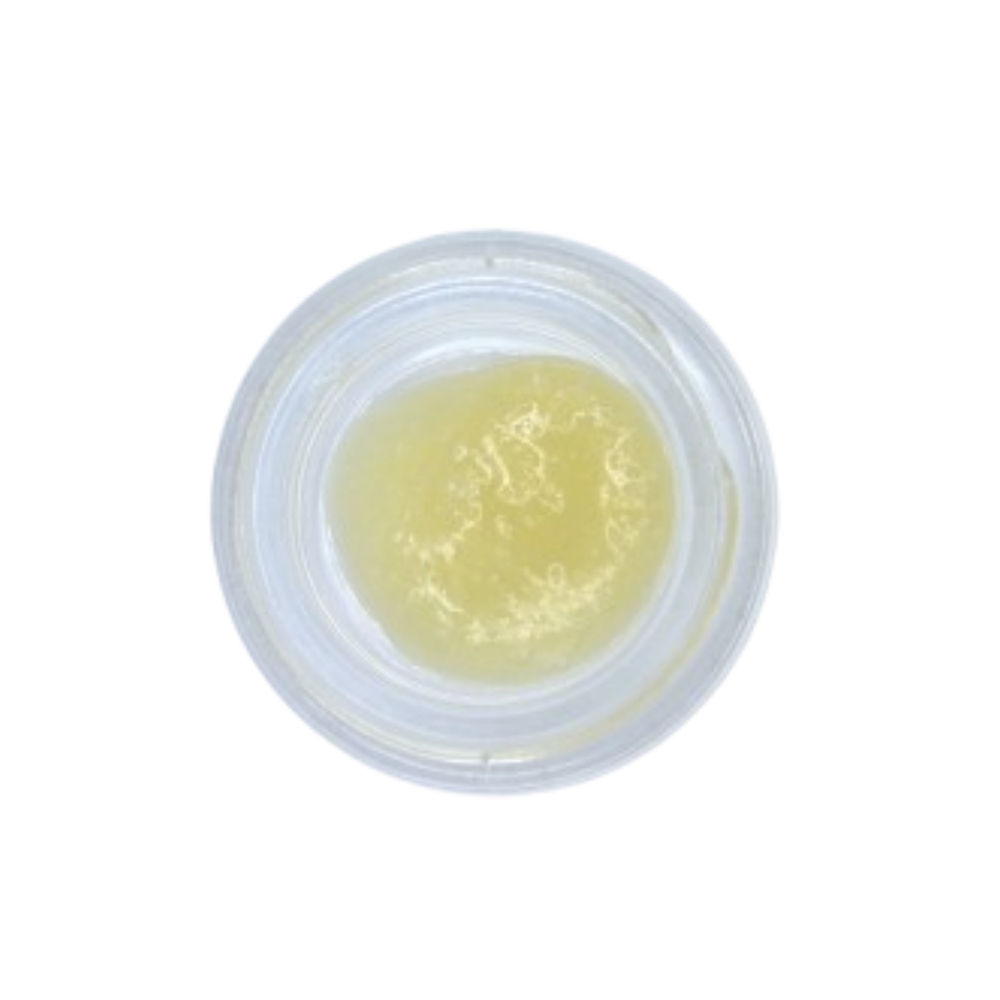
Live hash rosin is made by washing frozen plant material in ice water to collect the trichome heads, the same first step as bubble hash, then pressing that hash under heat until the resin flows out. No solvent touches it at any point. That is the appeal for people who want nothing in the extract but what came out of the plant, and it is why rosin carries the higher price tag: the yield is lower and the labour is higher.
Neither is automatically better. Live resin usually tests higher for THC and costs less per gram. Live rosin is cleaner by process and has a fuller flavour. If you are choosing between them for the first time, buy a gram of each and decide for yourself.
How Does Live Resin Compare to Cured Concentrates?
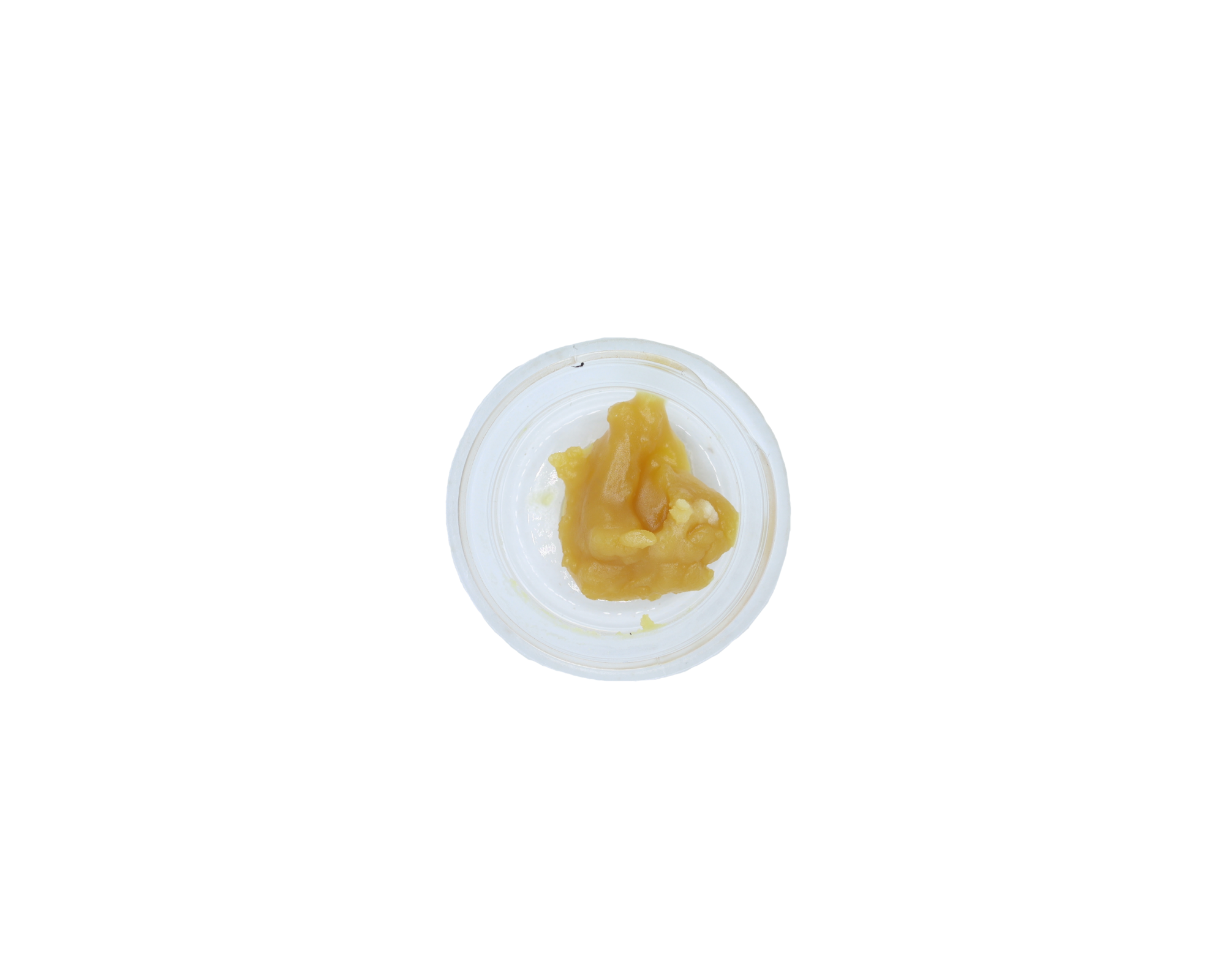
Cured concentrates are made from dried, cured flower. Shatter, crumble and distillate all start there. They are generally cheaper, more stable on the shelf and often test higher for raw THC, because without a terpene load there is more room for cannabinoids by weight.
The trade is flavour and character. A well made live resin tastes like the strain. A distillate tastes like almost nothing until something is added back to it. Crumble and shatter sit in the middle: real strain character, less of it than live resin, usually at a lower price.
How Strong Is Live Resin?
Most live resin tests between roughly 65% and 85% THC. Flower runs 15% to 25%, so the jump is real, though the terpene content means live resin often tests a few points lower than a clean distillate or a well made shatter.
Two practical notes. First, raw THC percentage is a poor guide to how something feels, and live resin is the clearest example of why: the terpene load changes the experience at the same number. Second, Canadian regulations cap cannabis extracts at 1,000 mg of THC per immediate container, which is the limit a legal gram of concentrate is measured against.
If you are coming from flower, start with a dose the size of a grain of rice or smaller. It will be more than you expect.
How Do You Use Live Resin?
There are four common ways, in rough order of how much flavour each preserves.
- Dab rig or e-rig. The standard. Low temperature dabs, around 500 to 600 F on the banger, keep the terpenes intact. Hotter than that burns off the thing you paid for.
- Vaporiser built for concentrates. Convenient, consistent, and easy to control the temperature on.
- On top of a bowl. A small piece over packed flower. It works and it wastes some product.
- In a joint. Same idea, same trade. Easiest if the resin is a firmer badder rather than a runny sauce.
Live resin does not go in a standard 510 cartridge unless it was formulated for one. Sauce is too thick and too unstable in a coil designed for thinner oil. Live resin carts exist, but they are made for the format rather than scooped into it.
How Should You Store Live Resin?
Cold, dark and airtight, in that order. Terpenes are volatile, and every hour a jar spends warm or open is flavour leaving. A fridge is good. A freezer is better for anything you are not using this month, as long as you let the jar come to room temperature before opening it so condensation does not form inside.
Use a dab tool rather than fingers. Body heat is enough to start changing the texture, and anything that goes in comes back out in the next dab.
What Should You Look For When Buying Live Resin?
- Smell. It should be loud. If a live resin has no nose, the purge was too hot and you are paying for a story rather than a product.
- Texture. Sauce, badder and budder are all fine. What is not fine is a hard, glassy slab sold as live resin, which usually means cured material or an overly aggressive purge.
- Strain named on the label. The point of live resin is strain character. A product that will not tell you the strain is hiding something.
- A stated THC figure. Not a range invented for the menu.
Our live resin selection ships from Vancouver by Canada Post Express, usually within 24 hours, in discreet vacuum sealed packaging. If you want to compare against the solventless side, the full concentrates range has both.
Frequently Asked Questions
What is live resin?
Live resin is a cannabis concentrate made from plants frozen immediately after harvest rather than dried and cured. Freezing preserves terpenes that normally evaporate during curing, so live resin carries far more of the original strain’s aroma and flavour than a cured concentrate.
What is the difference between live resin and live rosin?
Both start with fresh frozen cannabis. Live resin is extracted with a solvent, usually butane or propane. Live rosin is solventless, made by washing the material into ice water hash and pressing it with heat. Rosin costs more because the yield is lower.
How strong is live resin?
Most live resin tests between about 65% and 85% THC, against 15% to 25% for flower. The terpene content means it often tests slightly lower than distillate or shatter, though many people find the effect stronger at the same number.
Is live resin better than shatter?
It depends what you want. Live resin carries much more strain flavour because it is made from fresh frozen material. Shatter is made from cured flower, is more stable on the shelf, usually costs less and often tests slightly higher for raw THC.
How do you smoke live resin?
A dab rig or concentrate vaporiser at a low temperature, roughly 500 to 600 F, preserves the most flavour. You can also put a small piece on top of a bowl or in a joint, though both waste some product and lose some terpenes to the higher heat.
How should live resin be stored?
Cold, dark and airtight. A fridge works for anything in regular use, a freezer for longer storage. Let a cold jar warm to room temperature before opening it so condensation does not form inside, and use a dab tool rather than your fingers.
Why is live resin so expensive?
Freezing at harvest, keeping material frozen through extraction and purging gently enough to protect terpenes all cost more than standard processing. Live rosin costs more again, because the solventless method yields less finished product from the same input.
Can you put live resin in a vape cartridge?
Not a standard cartridge. Sauce is too thick and unstable for a coil designed for thinner oil. Live resin cartridges exist, but the extract in them is formulated for that hardware rather than scooped in from a jar.
Where to Start
If live resin is new to you, buy one gram of a strain you already like in flower form, dab it low and cold, and compare it to what you remember. That comparison tells you more than any percentage on a label. Browse our live resin and live hash rosin selections, or the wider Canada Bliss shop.